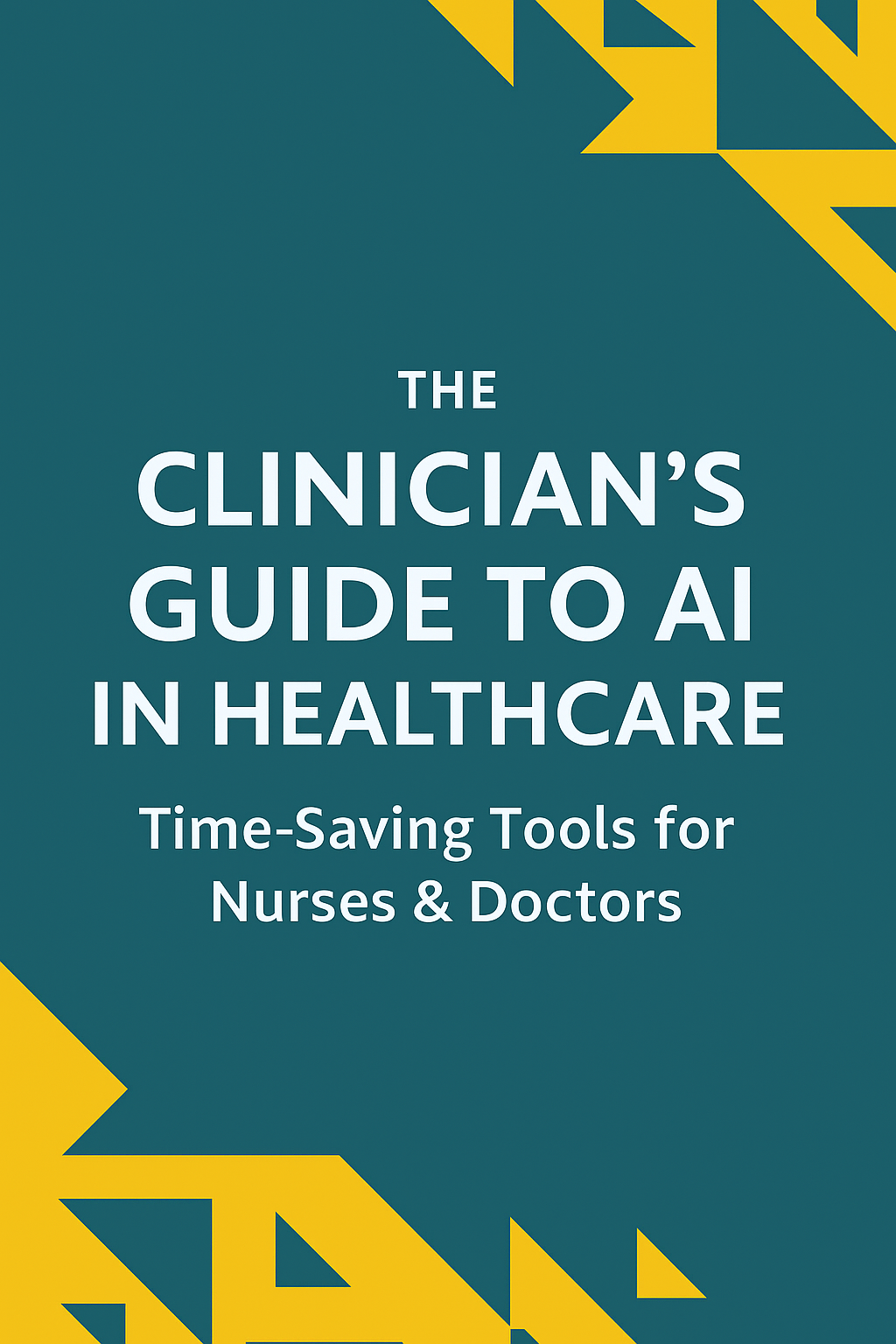
How Healthcare Workers Can Use ChatGPT: A Practical Guide for Nurses & Doctors
Introduction: Why ChatGPT Matters for Healthcare Professionals Today
Healthcare workers today face overwhelming administrative tasks, staff shortages, and rising burnout. Studies show that for every hour doctors spend with patients, almost two hours are consumed by documentation. Nurses share similar frustrations, with compliance reporting and paperwork reducing time for direct care.
This is where ChatGPT in healthcare offers a solution. By reducing repetitive admin work and enhancing communication, it can free up time for what truly matters—caring for patients.
What Is ChatGPT? (Explained Simply)
At its core, ChatGPT is a conversational AI tool that generates human-like text responses. For clinicians, it acts as a flexible assistant that can:
- Draft de-identified clinical notes and referral letters
- Translate medical jargon into patient-friendly handouts
- Support nursing education with quizzes and mnemonics
- Summarize journal articles for busy doctors
- Streamline admin tasks like emails and project plans
Practical Use Cases of ChatGPT in Healthcare
1. Clinical Documentation (Always De-identified)
- Draft SOAP notes, discharge summaries, referral letters
- Create structured outlines to save charting time
2. Education & Lifelong Learning
- Summarize PubMed research into key takeaways
- Generate exam questions for nursing students
- Build mnemonics and flashcards
3. Administration & Management
- Draft professional staff emails
- Summarize meeting notes or policies
- Assist with quality improvement reports
4. Patient Communication & Education
- Turn guidelines into plain-language leaflets
- Translate medical terms into everyday English
- Generate FAQs for clinics and patient portals
5. Personal Productivity & Wellbeing
- Suggest shift-friendly meal plans
- Draft daily task lists or workflow hacks
- Provide quick mindfulness prompts
How to Use ChatGPT Effectively in Healthcare
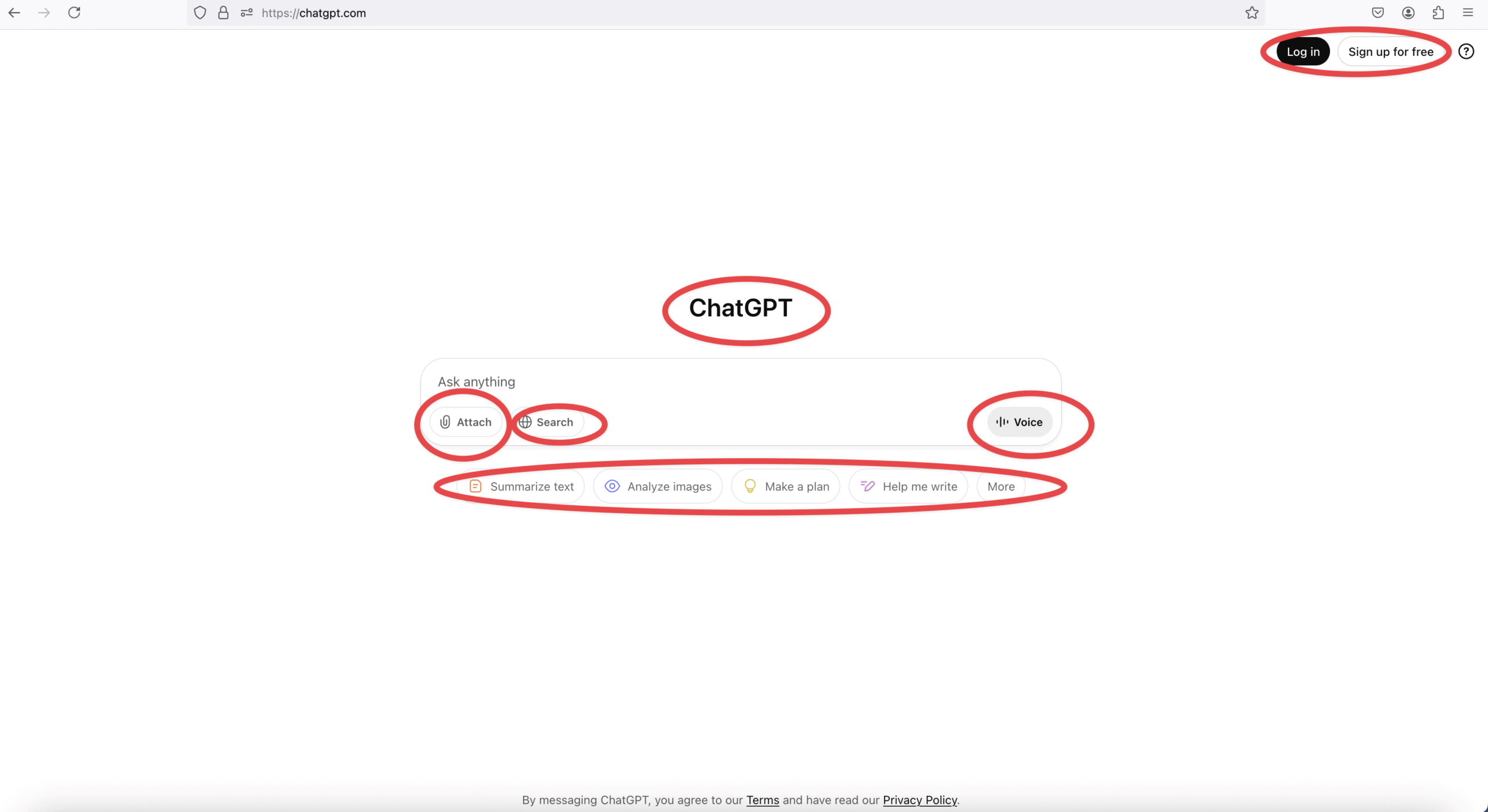
Accessing ChatGPT
- Free: Basic version
- Plus: Paid, faster, more accurate
- Enterprise: Secure, healthcare-ready deployments
The Prompt Formula
Role + Task + Context + Format
Example: “Act as a nursing educator. Create 5 quiz questions on diabetes management for final-year students.”
Safety Checklist
✅ Use ChatGPT for drafts, education, communication
✅ Always anonymize patient data
✅ Verify outputs against trusted guidelines
❌ Never input PHI (Protected Health Information)
❌ Don’t rely on ChatGPT for final clinical judgment
Ethics & Safety: Guardrails for Responsible Use
Responsible use of ChatGPT for clinicians means respecting:
- Privacy laws: HIPAA, GDPR, APPs (Australia)
- Ethical principles: beneficence, nonmaleficence, autonomy
- Bias awareness: check for fairness and cultural sensitivity
- Transparency: disclose when AI generated materials
Benefits of ChatGPT in Healthcare
- Save 40–70% of admin time
- Reduce stress and support AI burnout prevention
- Improve patient communication with clearer handouts
- Encourage continuous learning through summaries and quizzes
- Strengthen teamwork with simplified reports
Challenges & Misconceptions
- Hallucinations: Double-check accuracy
- Job fears: AI augments, not replaces clinicians
- Bias risks: Always apply professional oversight
The Future of ChatGPT in Healthcare
- EHR integration: Automated SOAP notes
- Ambient listening AI: Live transcription of consultations
- Education & simulation: AI patient scenarios for training
- Decision support tools: Always with safeguards
Case Studies
- Nurse Educator: Generates 10 quiz questions in minutes
- Doctor: Summarizes a new study for team briefing
- Health Educator: Creates hypertension brochures in plain English
Conclusion
ChatGPT in healthcare is not a replacement for clinical judgment—it’s a support tool. By automating admin, simplifying communication, and enhancing education, it allows clinicians to focus on what matters most: patient care.
👉 Try ChatGPT for one small task this week—a summary, a handout, or an email.
👉 Explore more AI tools for nurses and doctors at AI Nurse 360 and download our free guide on AI in Healthcare Productivity.